 Missoula Excavation Companybest excavation
In the realm of construction, excavation plays a pivotal role that entails the removal of earth to ready a site for various projects. Whether your goal is to establish a new foundation, create a beautiful landscape, or set up a drainage system, the role of skilled excavation services is essential. In Missoula, where the landscape can greatly differ, choosing the appropriate excavation contractor becomes crucial read more.
An experienced excavation company ensures that the digging tasks are executed safely and efficiently, minimizing the risk of costly errors from inadequate site preparation. By familiarizing yourself with the range of excavation services offered, you can make well-informed choices for your construction endeavors.
Understanding Excavation Services
Excavation services encompass a range of activities. Primarily, they include site preparation, grading, trenching, and more specialized functions like foundation excavation. Each of these services plays a critical role in the lifecycle of a construction project. Site preparation contractors focus on clearing the land, removing debris, and ensuring the site meets the necessary specifications for construction. Grading contractors follow through by leveling and preparing the surface to ensure proper drainage and support for structures.
The excavation process typically starts with land clearing, which involves removing trees, stumps, and other obstacles from a construction site. This is followed by grading, where the land is shaped to prepare for foundations, slabs, or other structures. Trenching services may also be necessary for utilities, where deep trenches must be dug to install piping or electrical conduits. If you're interested in finding a reliable partner for these services, might offer insights into local options.
The Role of Equipment in Excavation
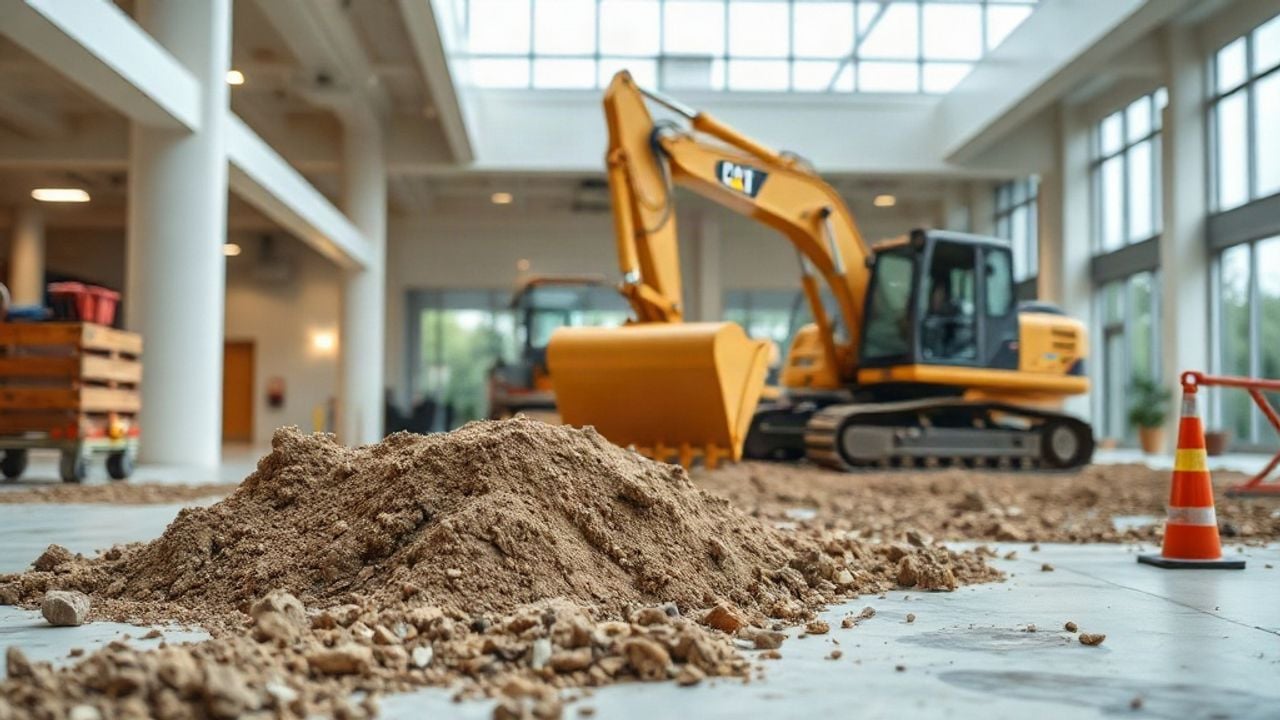
Excavators are often considered the backbone of excavation services. These powerful machines are designed to handle various tasks, from digging to lifting heavy materials. Different types of excavators, such as backhoes and trenchers, serve specialized purposes. For instance, backhoes are ideal for tasks that require both digging and loading. Understanding the type of equipment a Missoula excavation company uses can be beneficial in gauging their capabilities.
Additionally, earthwork contractors often utilize compactors, bulldozers, and dump trucks to manage the site after excavation. The ability to effectively use these machines impacts not only the efficiency of the excavation but also the quality of the end result. Knowledgeable excavation contractors will assess the specific needs of your project to recommend the right equipment, ensuring a higher standard of workmanship.
Elements That Affect Excavation Costs
Understanding the various elements that impact excavation service pricing is essential, as multiple factors come into play. First and foremost, the project's size and level of complexity will heavily influence costs. For larger developments needing comprehensive land preparation or substantial excavation for deep foundations, the expenses generally rise. In addition to size, the type of soil, how accessible the site is, and the project's schedule all contribute significantly to determining the final cost.
For example, excavating in areas with rocky soil might require extra tools or increased man-hours, which can drive up the costs. In parallel, projects that need to be completed quickly may result in higher labor fees due to the expedited nature of the work. To ensure you receive an accurate price estimate, it is beneficial to converse with different excavation companies about your specific situation and collect various quotes for thorough comparison.
Choosing the Right Excavation Contractor
The process of finding an excavation contractor involves significant scrutiny. An ideal contractor should not only have the right tools and skills but also demonstrate a successful history of project delivery. Seeking references or consulting online feedback can be beneficial in evaluating the contractor’s credibility. Licensed professionals generally follow local regulations, ensuring compliance with all legal standards pertaining to your project.
Equally important is the ability to communicate effectively. The chosen contractor should be accessible, eager to resolve your queries, and capable of explaining the methodologies clearly. Such openness helps establish trust and facilitates a smoother workflow. A proficient residential contractor will coordinate efficiently with other experts involved, like architects and engineers, ensuring that all facets of the project mesh well together.
If you are keen on broadening your insight, you can find extensive information in this Wikipedia article.
Steps to Prepare for an Excavation Project
- Define Your Goals: Clearly outline what you want the excavation project to achieve, whether it's the foundation for a new structure, landscaping, or utility installation.
- Consult with Experts: Speak with excavation professionals to get an idea of the feasibility of your project and gather their insights on potential challenges.
- Assess Environmental Impact: Consider how the excavation may affect the surrounding environment. This might include checking for protected wildlife or local regulations regarding land use.
- Get Multiple Quotes: Reach out to several excavation contractors and ask for detailed estimates. Compare not just prices but also the level of service offered.
- Plan for Potential Delays: Understand that excavation can uncover unexpected complications, such as underground rock or utilities. Budget time and money for these surprises.
- Monitor Progress: Stay engaged throughout the excavation process, ensuring that the work is being done according to your specifications and resolving any issues promptly.
Tips for a Successful Excavation Project
To ensure a successful excavation project, keep these pointers in mind.
- Communicate Clearly: Maintain open lines of communication with your contractor to avoid misunderstandings.
- Follow a Timeline: Adhere to a project timeline but remain flexible for unforeseen circumstances.
- Double-Check Your Documents: Ensure that all permits and legal documents are in order before the work begins.
- Inspect Equipment: Regularly check the equipment used by your contractor to confirm it's suitable and well-maintained.
- Evaluate the Site After Completion: Once excavation is done, review the work to ensure it meets your expectations before proceeding with construction.
Frequently asked questions
What is Excavation?
Excavation refers to the process of removing earth and rock from a site to create foundations, trenches, or to clear land for construction.
How do I choose an Excavation provider?
Choosing an excavation provider involves assessing their experience, equipment, and reputation, alongside gathering multiple quotes to ensure quality service.
How much does Excavation cost?
Excavation costs can vary based on project size, soil conditions, and the complexity of the job, making it essential to obtain detailed estimates from different contractors.
What equipment is used in Excavation?
Excavation equipment includes backhoes, excavators, bulldozers, and dump trucks, each serving unique roles depending on the nature of the work involved.
What should I consider before starting an excavation?
Before starting excavation, consider your project goals, environmental impact, local regulations, and hire a reputable contractor to ensure a smooth process.
Are there risks involved in Excavation?
Yes, risks such as equipment accidents, soil stability issues, and unexpected underground utilities can arise during excavation, making safety measures crucial.
The process of excavation is complex and, when executed properly, establishes the foundation for effective construction. Gaining insight into the offerings of excavation contractors can empower you to make decisions that enhance the overall results of your project.
Taking the time to select the right excavation partner nurtures a successful collaboration that can prove advantageous during every phase of the construction process.